What does referencing video really mean?

If I had a dollar for every shot of generic video in a story, I would be rich, on the beach living the high life! It’s so common, it’s almost become accepted in the industry. And that’s a big mistake because generic video does nothing to help viewers trust that you know what you are talking about. It’s true. They can tell that you just slapped up some pictures hoping they would not really look. And nowadays, it’s just another reason to shake their head, grumble about fake news and look at social media instead. 

So how do you reference video, especially when you have no choice but to use generic shots? First, let’s define generic video. Generic video are images that are peripherally, but not always specifically, related to a story. Sometimes, generic video sticks out and seems to make little or no sense with the story. It’s video for video’s sake. And it’s a major danger zone.  That is especially true if you ask editors to “Just pad out the shots” to make sure the video doesn’t run out, or “just find me pics of people eating at a restaurant.” “Just show me avocados.” “I need video of a beach.” I have seen stations have advertising pulled over showing restaurant pics, that the chain viewed as identifiable during a food recall story. Same with images of produce. Is there a from Chile, or from Mexico sticker? These kinds of details have the potential to be hugely important. Even something as innocuous as pictures of a beach can create a fact error. Beaches in Hawaii do not  look the same as the ones in Florida or Maine and viewers DO notice. In other words, there is no such thing as generic video. Every image has a fact in it. Remember that.

So, let’s add this to the definition of generic video: It is images you are not mentioning in any way while the story is being read aloud. This is an important distinction because it gets to the core of this article: referencing video. You need to have the copy and video make sense together. Now, I did not say “match.” It’s just not realistic to pre-record every story that airs and sometimes the video is slightly ahead or behind the copy as it’s read. That’s not great, but better if the video is actually referenced in the telling of the story. 

A recent example I saw was a story of a man who worked at a religious day care center who was accused of molesting children there. The story showed the mug shot of the man, the sign of the place where he worked, a building (I assume is the same place??) and shots of an infant swing. Not great images to work with, right?  But with subtle writing references you can make it work, and not be generic and therefore confusing. Here’s how that can be done: “(mug shot) Name was arrested today, on child molestation charges. He worked at (show sign and say name of) daycare. (images of building and swing) You might recognize this building on and playground on (           ) street in (city). Police did not say what ages the children were in this case, but infants up to age 8 attend this daycare. (on camera) (name) faces 5 counts tonight. We will let you know what happens next in this case.”

I once had a news director require that we shot sheet every story in every newscast. The first couple of weeks I seriously thought my newscast would not make air. It took forever! But eventually I got the routine down and could still write quickly. With desktop editing so prevalent now, there is really little excuse to not write to video. This does not mean you have to shot sheet and reference every single image. I get that. But you can make sure that you at least reference the first shot seen, and if you add any file video, mention that it is past video, from whatever the source and/or time.

Also, as you are starting to teach yourself to write to video use these references:

 “As you see here”

 “you can see”

 “this is (_____)”

“here’s a good look at (_____)”

“take a look at (_____).”

These references can get cliche after a while, so you do not want to use them all the time everyday every story. But use them for a couple of weeks as you retrain your brain to think of images as you write your stories. They really help. As you get the hang of it, it’s easy to drop these catch phrases. 

Referencing video does not always mean that you have to overtly say what’s on the screen. Sometimes it’s just making sure that what the copy says plays off of the images. So referencing video is, truly, not as hard as it seems. Hopefully this article makes it easier for you, so you can start to reference more images in your stories. You want your newscasts and stories to stand out. You are writing for the ear, but also for the eye. Never forget that. Video needs to be part of the context of the story not a distractor.

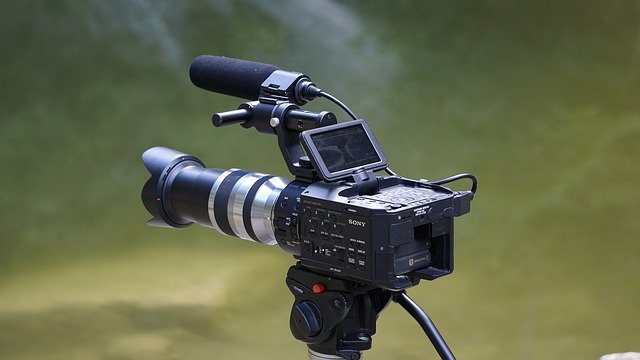
Image by Josep Monter Martinez from Pixabay.

Share

Hey Producers. It’s Time.

The TV news industry is in flux. Crisis point: finding and retaining producers. Consider this: Your job will remain if reporters are phased out in the digital age. There is always a need for content finders and editorial context. Producers must be the best truth seekers, and BS detectors in the building, every day. You are the gatekeepers of truth. Gusty journalists with a job that has a high learning curve.

So let’s even that playing field. Let’s finally put what you really need to know to kick butt at your job, in one easy-to-reference spot.

This book is years in the making. Producers and managers spoke, listing skills most have to try and figure out largely on their own while on the job. Let’s make it easier.

Here’s a list of topics covered:
How to stack a newscast
How to choose leads
How to get your writing done in time
How to time your show correctly
How to write clearly
How to write to video
How to tease
How to avoid fact errors
How to showcase (describes several techniques)
How to handle team coverage and continuous coverage

And there’s more. Check it out.

Buy Here

[wp_paypal button=”buynow” name=”Producing Book” amount=”24.95″]

Share

Stressing me out! How to give yourself breathers during intense shifts.

I posted a question on @Survivetvjobs Twitter line. Within 24hours it had more than 29 thousand impressions. Talk about hitting a nerve. It was “Hey TV news journalists what do you do to relieve stress?” 

TV News is a stressful career no doubt. Now with more MMJ’s, less writers and more responsibilities than ever before it can sometimes seem unbearable.  So let’s talk about how to survive your daily shift better. 

Getting a good routine down as best you can is number 1. You want the grind to sort of become normal in a way. So the first few months, you should keep a journal on what worked and didn’t as you try and navigate getting through your shift. Also use the search section of this website to look up producing and/or reporting for all kinds of articles on how to make your job easier.

You need to focus on hobby’s that give you joy when you are not at work as well. Many of you listed great options there.

I also want to give you some simple, easy to implement stress relievers you can use each day, at work.

Practical things you can do, right away to add calm to your day

  1. Schedule breath breaks. Then actually take them
  2. Mini lap break
  3. The running joke is very important
  4. Chat line
  5. Inspiring quotes
  6. Random acts of kindness to your coworkers
  7. Celebrate little victories
  8. Realistic goal setting
  9. Write down the small things eating at you, then throw the paper away
  10. Use EAP plan

Let’s dig in. I know many of you are saying you do not have time to run to the restroom most of the time. But breath breaks can be super short. Set up “times” for these like once I finish stacking my rundown I will do this for myself. Once I finish this interview I will do this for myself. Make it a habit. 

If you are religious, think breath prayer. It is amazing how taking 30 seconds to do one can help. If you are not religious taking three long breaths and imagining letting go of the stress in part of your body can really help. I love the Calm app for this reason. Check out the breath bubble video on YouTube since it can be a game changer during work. Sneak into an edit bay and try it.

Mini lap breaks are also really important. You need to get the blood flowing to keep a clear head. So standup and walk a lap around the newsroom or better yet around the station. Even if you have to be on the phone. If you are a reporter put the phone down and walk a lap. You need to reconnect with your environment. Producers need to disconnect from theirs.

Running “inside” jokes among your shift are important. If you don’t already have some, try and foster that. They need to be kind and silly, not picking on a staffer. I had coworker who loved a certain salad with chicken. We would sing silly song about 15 minutes till salad time (usually sung right after a manager yelled at us for something) and would put pictures we printed off the internet of salads with chicken to set on her desk.  An anchor I worked with loved Halle Berry. So we would tape pics of her up on his computer monitor before he got to work. It became a competition of who could find the most random pic of her. Things like that. A director hated the easter bunny but in a silly way. So we would put pics of bunnies up on his monitor in the control room. He would then write silly notes on them like “nope” and then repost the pic on someone else’s monitor. 

Some companies have also started chat lines, because of COVID. A chance to have some sort of running dialogue like you used to have sharing pods with others. This can be great too. Take turns picking a topic for the day that is light. You can do this with group texts if need be. Who can find the silliest dog meme of the day? (See now my pic above makes sense lol) Subjects like, who really drank from the water hose? What is the worst vacation you’ve taken? Did you try the latest viral recipe on Tik Tok? This quick connection can help keep tension down for the entire group. Just make sure everyone knows this line is for small talk only.

For years I have kept some inspiring quotes that resonate with me on sticky notes either on my desk or in the notes section of my phone. They also really help. Especially if it is one of those days when it all seems to pile on. These quotes provide a quick reminder, this too shall pass.

When is the last time you did a little something to cheer up your coworkers? Simple things, like leaving a piece of candy on their desk? A quick text saying the MMJ’s live shot rocked, or the producer had a killer cold open really helps ease your stress and the other person’s as well. It also fosters a newsroom where people support each other, and frankly the staff has to do that most of the time. Newsrooms are not naturally positive environments. The deadline pressure and competition to be first etc goes against that principle a bit. If you foster mutual respect with simple gestures, it really can help bring everyone’s stress down and increase the “We are in it together” bond. 

An anchor I worked with used to bring a cake in once a month to celebrate all the birthdays of the month in the newsroom. It was a huge hit. An EP I had used to leave me silly sticky note messages randomly on my desk. A director I worked with used to leave me copies of articles about gardening, since we shared that hobby in common. It has been years, and I remember each of these simple acts of kindness. The gestures matter. Do them, and hopefully over time you will start a phenomenon in your newsroom.

Celebrate the little victories. Did you consistently finish your newscast an hour early this week?Treat yourself. Did you break two stories this week? Time to spoil yourself. Did you notice a coworker had an awesome week boosting ratings, owning a story etc? Tell them awesome job. This reduces stress immensely. Honor your goals, and honor the hard work of those around you. 

Set realistic goals. Working in news will always be messy. It will be hard consistently. Once you accept that fact, then decide on simple ways to improve your work, your attitude and even your stress level. One step at a time is key here. Saying I will take a newscast from worst to first in 6 months for example is too much. Fixing a section of the newscast where ratings consistently dip, is more realistic at first. Reporters, you might not lead the newscast every night, but aiming to be one of the promotable stories for the day each day is a realistic goal. 

This next idea is really important and really does require using a pen or pencil. When the stress is really building up during your shift, write down a list of your stressors. Get them on paper. Look at the list, then ball it up, rip it to shreds, do whatever feels right, and pitch the note. You can really digest those frustrations and look for patterns later. During your shift you need to be able to let them go, so you can focus and get the weight of them off of your shoulders.

Also I cannot implore you enough to use the EAP plan offered at work. This is the counseling service that offers anywhere from 3 to 6 free consultations with a therapist. This is anonymous. Your boss will never know. Every company offers this and frankly with the stress of TV News jobs every journalist should use this service. You deserve the chance to tell someone how you feel and why. It really can help you cope with everything you see each day. Especially now with so many heavy topics to cover constantly.

Please know you are not alone in this journey. Many of us understand what you are experiencing and there are ways to make your job more manageable stress wise. Try and foster connections with your coworkers who are living it too, and be kind to yourself as much as possible. If you need help, reach out. 

Share

The cliche test, how to avoid them by asking 1 simple question

Our cliche list is still the most read section of Survive:  10 years later! So it seems like a good time to remind of a few ways to avoid cliche writing.

In the past, we’ve discussed trimming words away, to eliminate a cliche. We discussed reading copy aloud in order to figure out your favorite crutch phrases. We also talked about keeping a list on a notecard at your desk with three alternate phrases to help you get around your crutch phrases in a crunch

Survive is full of articles about how to write more conversationally as well. But this article is going to talk about a simple technique that frankly I am surprised hasn’t already come up in an article about cliche writing. It’s as simple as asking “Would you say that to your Mom?”

Yep, this question when writing, then scanning over your copy will catch so many errors, and especially cliches. It is a real tried and true technique veteran journalists have used many times over. And it bares repeating in an article on to itself. It is that effective.

You would not call your Mom and say “Hey there was a brutal murder and some residents nearby are scared.” You would not call your Mom and say “A blaze broke out two miles from the house.” Go down our cliche list, none of the phrases would be good for talking with Mom. None.

So let’s thank our parents for giving us a huge gift, teaching us the art of straightforward, conversational non cliche writing. They don’t use it on you. You don’t need to use it on the audience. So glad we had this talk 😉

Share